
Movement matters. Whether your goal is building strength, improving mobility, managing pain, or simply feeling better in your body, exercise physiology under the NDIS gives you access to qualified professionals who design programs around your abilities — not around generic fitness templates.
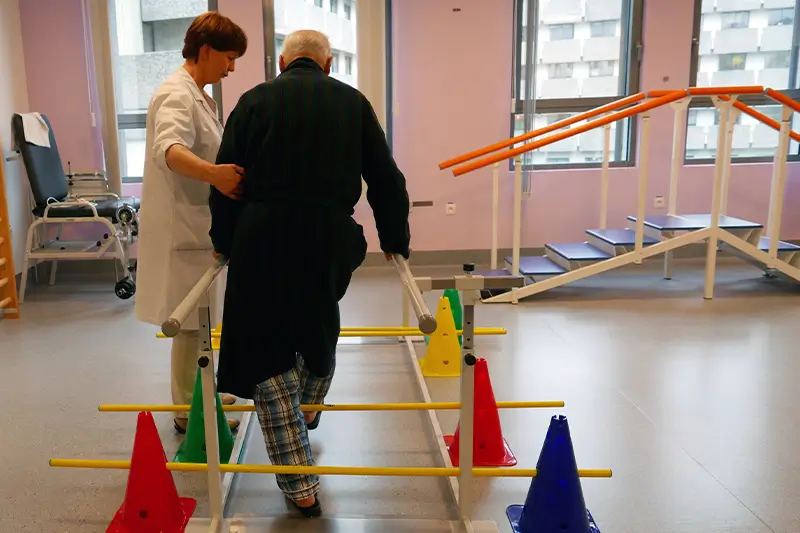
Movement matters. Whether your goal is building strength, improving mobility, managing pain, or simply feeling better in your body, exercise physiology under the NDIS gives you access to qualified professionals who design programs around your abilities — not around generic fitness templates.
MediHealth Connect provides NDIS-funded exercise physiology and personal training across South East Queensland. Our exercise physiologists are ESSA-accredited and experienced in working with participants living with a wide range of disabilities.
Exercise physiology is a clinical health profession. Unlike a standard gym trainer, an accredited exercise physiologist (AEP) is a university-qualified allied health professional who specialises in using exercise as medicine. They're trained to work with people who have chronic conditions, injuries, and disabilities.
Under the NDIS, exercise physiology is funded as a Capacity Building support — specifically under Improved Health and Wellbeing or Improved Daily Living. This means it's about more than fitness. It's about building your physical capacity to participate in life more fully.
Every program starts with a thorough assessment of your current fitness, mobility, health conditions, and goals. Your exercise physiologist then designs a program that works within your abilities and progressively builds your capacity. Programs are adjusted as you improve.
Building strength and improving range of motion can reduce pain, prevent falls, improve posture, and make daily activities easier. We work with participants on targeted strength training, flexibility exercises, and functional movement patterns.
Conditions like diabetes, cardiovascular disease, obesity, and respiratory conditions respond well to structured exercise. Our AEPs design programs that complement your medical treatment and help manage symptoms through physical activity.
For participants recovering from brain injury, stroke, spinal cord injury, or living with conditions like cerebral palsy, multiple sclerosis, or muscular dystrophy, exercise physiology plays a key role in maintaining and improving physical function.
Physical activity has well-documented benefits for mental health. For participants with psychosocial disability, structured exercise programs can help manage anxiety, depression, and the physical side effects of medication.
Some participants prefer working out in a gym environment or alongside others. We offer supervised gym sessions and small group programs that provide social connection alongside physical activity.
You can access exercise physiology under the NDIS if your plan includes funding for:
Your GP or specialist may need to provide a referral depending on your plan structure. If you're unsure, your MediHealth Connect support coordinator can help you check your funding.
MediHealth Connect's exercise physiologists are ESSA-accredited (Exercise and Sports Science Australia) and hold current registration. They have experience working with NDIS participants across a range of disabilities and health conditions.
Sessions can be delivered at your home, at a local gym, at a community facility, or via telehealth — depending on your preference and needs.
An exercise physiologist is a university-qualified allied health professional accredited through ESSA. They're trained to work with people who have chronic conditions, injuries, and disabilities. A personal trainer typically holds a Certificate III or IV and works with the general population. Under the NDIS, exercise physiology is the funded service — but our AEPs can incorporate personal training elements into your program.
This depends on your plan funding. Typical allocations range from weekly to fortnightly sessions, but some participants receive more intensive programs. Your support coordinator can help you work out what's available.
Yes. We offer in-home sessions for participants who prefer to exercise at home or who have mobility challenges that make gym access difficult.
Not always, but a GP referral can strengthen your case for continued funding at plan review time. If your plan specifically mentions allied health, you can access exercise physiology without a separate referral.