
Some health needs can't wait, and they can't be managed with a standard care plan. When your situation calls for complex clinical support — tracheostomy care, ventilator management, seizure response, or advanced wound care — you need nurses who've done it before and know how to do it well.
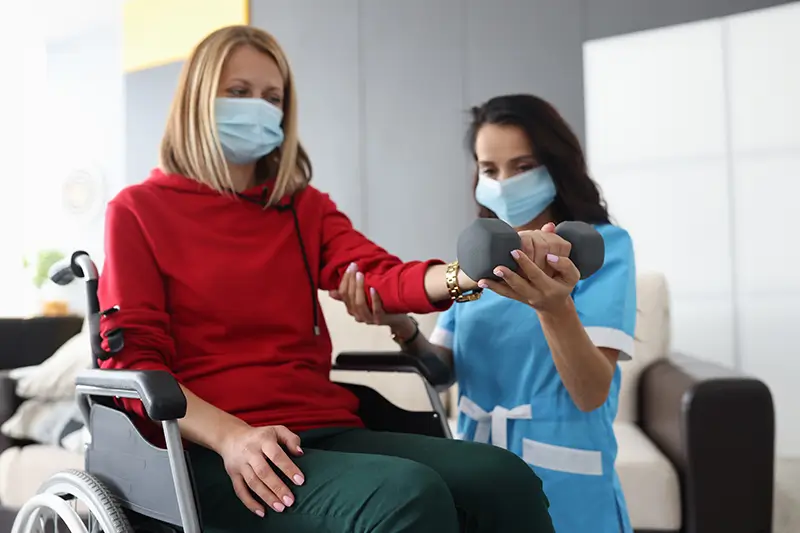
Some health needs can't wait, and they can't be managed with a standard care plan. When your situation calls for complex clinical support — tracheostomy care, ventilator management, seizure response, or advanced wound care — you need nurses who've done it before and know how to do it well.
Our high-intensity nursing team works with NDIS participants across South East Queensland who have complex medical requirements. Every nurse on this team carries additional clinical training beyond general registration, and they're experienced in delivering care that keeps you safe and comfortable at home.
Under the NDIS, high intensity supports are a category of care designed for participants with significant and complex needs. These needs typically involve clinical interventions that carry a higher level of risk and require specialised training to deliver safely.
High intensity nursing goes beyond standard community nursing. It covers situations where there's a genuine clinical complexity — the kind of care that, without the right skills, could result in harm. Think respiratory support, complex bowel protocols, or managing a participant during a seizure. These aren't tasks you want handled by someone without the right training.
Your NDIS plan may include high intensity daily supports under the Core Supports or Capacity Building budget, depending on how your plan is structured. If you're not sure whether your plan covers this level of care, your support coordinator can check for you.
Participants with tracheostomies need regular tube care, suctioning, and monitoring to prevent blockages and infections. Our nurses are trained in tracheostomy management protocols and can respond quickly if complications arise. We also train support workers and family members in basic trache care where appropriate.
For participants who rely on ventilators, CPAP, or BiPAP machines, our nurses manage the clinical side — monitoring oxygen levels, adjusting settings as directed by respiratory specialists, and troubleshooting equipment issues. We coordinate closely with your respiratory team to keep everything running safely.
Epilepsy care requires vigilance and a clear response plan. Our nurses develop seizure management plans, administer emergency medications like midazolam when prescribed, and train household members on what to do during a seizure. We also track seizure patterns and report changes to your neurologist.
Participants with spinal cord injuries, neurological conditions, or other disabilities often require structured bowel care programs. Our nurses carry out these procedures with clinical precision, following established protocols while prioritising your comfort and dignity throughout.
Regular injections — whether for diabetes management, blood thinners, hormone therapy, or other conditions — require proper technique and rotation of injection sites. Our nurses administer these safely and can train you or your carers to manage injections independently over time.
Some wounds don't respond to standard dressings. Pressure injuries, surgical wounds with complications, or chronic ulcers may need negative pressure wound therapy, specialised dressing products, or regular debridement. Our wound care nurses have advanced training in managing these complex cases.
Beyond simple blood glucose checks, complex diabetes management includes insulin pump monitoring, continuous glucose monitoring (CGM) interpretation, hypo and hyperglycaemia response, and dietary coordination with your endocrinologist and dietitian.
Assessment first. Before any care begins, one of our clinical leads meets with you, your family, and your treating specialists. We review your medical history, current needs, and existing care plans. This isn't a tick-box exercise — it's how we understand what you actually need.
Custom care plan. Based on the assessment, we build a detailed nursing care plan that outlines every procedure, its frequency, risk factors, and escalation steps. This plan is shared with your GP, specialists, and support coordinator.
Skilled nurse allocation. We match you with a nurse whose clinical skills align with your specific needs. Where possible, we keep the same nurse assigned to you for consistency. Every nurse delivering high intensity care has completed additional competency assessments beyond standard registration.
Ongoing monitoring. Your care isn't set-and-forget. We review the plan regularly, adjust it as your needs change, and report back to your medical team. If something isn't working, we address it quickly.
You may benefit from high intensity nursing supports if you:
High intensity supports aren't limited to participants in supported independent living. We deliver this care in private homes, family homes, group living arrangements, and community settings — wherever you need it.
High intensity nursing is typically funded under your NDIS plan in one of two ways:
Core Supports — Assistance with Daily Life: If your plan includes daily support at a high-intensity level, nursing care may be funded here.
Capacity Building — Improved Health and Wellbeing: Community nursing, including high-intensity components, can sit in this budget category.
The specific funding depends on your individual plan and assessed needs. If nursing isn't in your current plan but you believe you need it, a plan review can be requested. Your support coordinator or our team can help with that process.
Standard community nursing covers everyday clinical needs like wound dressings, medication administration, and health monitoring. High intensity nursing involves more complex procedures that carry greater clinical risk and require nurses with additional, specialised training. The distinction is about the complexity and risk level of the care.
Yes. All nurses delivering high intensity care hold current AHPRA registration and have completed additional competency assessments relevant to the specific care they provide — whether that's tracheostomy management, seizure response, or complex wound care.
We can arrange after-hours and overnight nursing for participants who need it. The scheduling depends on your clinical requirements and NDIS funding. We'll work with you to set up a care roster that covers the hours you need.
Your GP or specialist needs to document your complex care needs, and this evidence is used during your NDIS planning meeting or plan review. A support coordinator can guide you through the process of requesting the right level of funding.